Beehive Background with Color Orange: A Unique Design Element
The Beehive Background with Color Orange is a distinctive design concept that blends the structured geometry of a beehive with the vibrant energy of the color orange. This combination offers a visually striking and versatile option for creative projects, branding, and digital design. Unlike traditional backgrounds that rely on solid colors or simple gradients, the Beehive Background with Color Orange introduces an organic yet geometric pattern that can enhance visual interest while maintaining a sense of order.
What Makes the Beehive Background with Color Orange Stand Out?
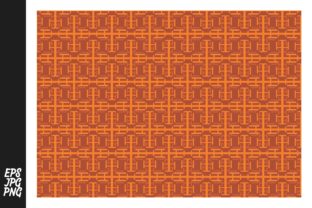
The Beehive Background with Color Orange is defined by its hexagonal grid structure, which mimics the natural architecture of a beehive. Each hexagon is filled with the warm, dynamic hue of orange, creating a cohesive yet dynamic visual effect. This design is not just aesthetically pleasing; it also serves functional purposes in design contexts where alignment, balance, and visual hierarchy are important.
One of the key features of this background is its adaptability. The hexagonal pattern allows for seamless tiling without visible seams, making it ideal for large-scale applications such as website backgrounds, print materials, or digital interfaces. The use of orange adds a layer of warmth and approachability, which can be particularly effective in branding scenarios targeting younger audiences or those seeking a modern, energetic vibe.
In comparison to other background styles, such as abstract patterns or minimalist designs, the Beehive Background with Color Orange strikes a balance between creativity and usability. It avoids the complexity of intricate patterns while offering more visual depth than flat colors. This makes it a strong contender for designers looking to add character without overwhelming the viewer.
Comparing the Beehive Background with Color Orange to Other Options
When evaluating the Beehive Background with Color Orange against similar options, several factors come into play, including visual impact, flexibility, and suitability for different use cases.
For instance, a solid orange background might be simpler and more straightforward but lacks the visual complexity that the Beehive Background provides. While it can be effective for certain applications, it may not offer the same level of engagement or memorability. On the other hand, more complex patterns or textures could overwhelm the design, especially if not used thoughtfully.
The Beehive Background with Color Orange also stands out when compared to gradient-based backgrounds. Gradients are excellent for creating depth and movement, but they often lack the structural integrity and symbolic meaning that a beehive-inspired design brings. The hexagonal layout reinforces a sense of organization and efficiency, which can be beneficial in both aesthetic and practical terms.
Additionally, the Beehive Background with Color Orange has a unique relationship with other color schemes. Orange is a secondary color that sits between red and yellow on the color wheel, making it a versatile choice for pairing with complementary or contrasting hues. This flexibility allows designers to experiment with different combinations while maintaining the core identity of the beehive pattern.
Strengths and Limitations of the Beehive Background with Color Orange
Like any design element, the Beehive Background with Color Orange has its strengths and limitations. One of its primary advantages is its ability to create a focal point without being too distracting. The structured nature of the hexagons helps guide the eye through the design, which is particularly useful in user interface (UI) and user experience (UX) contexts.
Another strength lies in its scalability. Whether used on a small logo or a full-page website, the Beehive Background with Color Orange maintains its integrity and visual appeal. This makes it a reliable choice for a wide range of applications, from digital marketing campaigns to interior design concepts.
However, there are situations where this design may not be the best fit. For example, in contexts requiring high contrast or minimal visual elements, the Beehive Background with Color Orange could potentially compete with the content it supports. In such cases, a simpler or more subdued background might be more appropriate.
Furthermore, the effectiveness of the Beehive Background with Color Orange depends heavily on the surrounding design elements. If the rest of the design is overly busy or lacks cohesion, the background may not serve its intended purpose. Careful consideration of typography, imagery, and layout is essential to ensure that the background enhances rather than detracts from the overall composition.
When to Choose the Beehive Background with Color Orange
The Beehive Background with Color Orange is an excellent choice for projects that require a balance of creativity and functionality. It is particularly well-suited for:
- Branding initiatives that aim to convey energy, innovation, and community.
- Digital interfaces where visual structure and user engagement are priorities.
- Print materials such as brochures, posters, or packaging that benefit from a dynamic yet organized layout.
- Marketing campaigns that seek to stand out in a crowded visual landscape.
It is also a great option for designers working with orange as a primary or accent color, as it provides a natural and consistent foundation for further design elements.
Alternatives and Considerations
While the Beehive Background with Color Orange is a compelling option, it is not the only one available. Designers may consider alternatives such as:
- Geometric patterns that use different shapes or arrangements.
- Abstract textures that offer more randomness and visual intrigue.
- Minimalist backgrounds that prioritize simplicity and clarity.
- Gradient overlays that provide depth without the structured form of a beehive.
Each of these alternatives has its own set of advantages and drawbacks, and the best choice will depend on the specific goals of the project. The Beehive Background with Color Orange excels in environments where structure and vibrancy are equally important, but it may not be the optimal solution for every context.
Practical Examples and Use Cases
To better understand how the Beehive Background with Color Orange can be applied, let's explore a few realistic examples:
Example 1: Website Design
A tech startup aiming to convey innovation and collaboration might use the Beehive Background with Color Orange as the foundation for their website. The structured hexagons reinforce a sense of organization, while the orange color evokes energy and enthusiasm. This combination aligns well with the company’s brand identity and can help differentiate it from competitors.
Example 2: Print Advertising
An eco-friendly product line could incorporate the Beehive Background with Color Orange in their promotional materials. The pattern symbolizes sustainability and community, while the color orange adds warmth and approachability. This creates a cohesive and memorable visual message that resonates with the target audience.
Example 3: Interior Design
In a commercial space such as a café or co-working environment, the Beehive Background with Color Orange can be used as part of the wall art or flooring design. The pattern adds a touch of creativity without overwhelming the space, making it an ideal choice for environments that encourage interaction and collaboration.
Making an Informed Decision
Ultimately, the decision to use the Beehive Background with Color Orange should be based on a careful evaluation of the project’s goals, audience, and overall design strategy. While it offers a unique blend of structure and vibrancy, it is not a one-size-fits-all solution. Designers should consider factors such as the intended use, the surrounding elements, and the desired emotional response before making a final choice.
By understanding the strengths, limitations, and potential applications of the Beehive Background with Color Orange, designers can make more informed decisions that align with their creative vision and business objectives.